Exploring the psychology behind casino gambling habits
The Allure of Risk and Reward
The thrill of risk intertwined with the promise of reward is a compelling driving force behind casino gambling. This intricate relationship captivates many players, drawing them into the unpredictable world of chance. The prospect of hitting a jackpot induces an adrenaline rush that feels exhilarating, often releasing dopamine in the brain. For those looking to explore various options, 1win offers a diverse gaming experience that enhances the excitement of play. This neurochemical response reinforces gambling behavior, creating a cycle where individuals continuously seek that high. Understanding why this psychological allure exists is essential for grasping the complexities of gambling habits, as it reveals the deep-seated motivations that compel people to gamble despite the risks involved.
The element of uncertainty further enhances the appeal of casino games. These establishments are meticulously designed to create an immersive experience, utilizing bright lights, captivating sounds, and an energetic atmosphere to keep players engaged. Such an environment fosters a sense of excitement and anticipation, transforming what might otherwise be a straightforward financial decision into an entertaining adventure. This thrill can blur the lines between reality and the fantasy of winning big, leading many players to overlook the potential financial consequences of their gambling behavior.
Psychological theories like loss aversion also play a significant role in explaining gambling habits. The notion that individuals tend to prefer avoiding losses over acquiring gains means that a gambler might continue to play in hopes of recouping losses. This principle can lead to chasing losses, further entrenching individuals in their gambling habits. As players seek to recover previous setbacks, their gaming sessions can extend, amplifying both the emotional stakes and the financial risks involved in their gambling activities. Understanding these factors can illuminate why some players find it difficult to walk away, despite the odds being against them.
The Role of Illusion of Control
The illusion of control is a fascinating psychological phenomenon that significantly impacts gambling behavior. Many players believe they have some degree of control over their outcomes, particularly in skill-based games like poker or blackjack. This belief can be empowering, fueling their desire to keep playing with the hope that their strategic decisions will lead to success. However, this misplaced confidence can trap players in a cycle of habitual gambling, as they fail to recognize that most casino games are primarily based on chance.
Research highlights that gamblers often exhibit overconfidence regarding their abilities, especially in games perceived as involving skill. This cognitive bias leads individuals to overestimate their chances of winning, attributing their successes to skill rather than recognizing the role of luck. As this belief solidifies, players may find their gambling habits growing stronger, making it increasingly difficult to step back. Over time, the illusion of control can morph into addiction, prompting individuals to engage more frequently in gambling while becoming less aware of the potential consequences.

Casinos understand and exploit this illusion of control as a marketing strategy. By introducing elements of skill into games that involve decision-making, they create an enticing atmosphere that appeals to players’ desires for empowerment. This marketing tactic capitalizes on the psychology of control, making players feel capable while maintaining the reality that the house always holds an advantage. Consequently, individuals may become engrossed in gambling, often justifying their behavior while overlooking the significant odds stacked against them. This dynamic can perpetuate a cycle of increased play and heightened financial risk.
The Impact of Social Influences
Social influences play a crucial role in shaping gambling habits, as peer pressure and societal norms can significantly affect individual behaviors. Many people are introduced to gambling through friends or family, often viewing it as a social pastime. This perception can lead to a strong inclination to gamble, especially in settings where gambling is normalized or celebrated. The social aspect of gambling enhances the enjoyment factor, encouraging players to adopt habits they might not pursue in isolation.
The ability to share experiences and outcomes with others further intensifies the thrill associated with gambling. Modern technology, particularly social media, enables gamblers to showcase their successes or failures, fostering a sense of community among players. This sharing can spark competitive tendencies, motivating individuals to participate in gambling activities more frequently to match or surpass their peers’ experiences. Such dynamics can create a reinforcing cycle of habitual behavior driven by social comparison, making it difficult for individuals to recognize when their gambling habits become problematic.
Cultural attitudes toward gambling also significantly shape individual behaviors. In certain cultures, gambling is perceived as a harmless form of entertainment, while in others, it may face moral disapproval. These cultural norms can influence a person’s willingness to engage in gambling activities. For those surrounded by individuals who view gambling positively, the likelihood of developing gambling habits increases, often irrespective of personal risks. The interplay between social influences and cultural perceptions creates a robust environment that perpetuates gambling behaviors, making it essential to consider these factors when examining gambling psychology.
The Psychological Effects of Gambling Addiction
Gambling addiction can lead to profound psychological effects, impacting an individual’s mental health and overall well-being. The compulsive nature of gambling often results in heightened anxiety, depression, and feelings of isolation. Those deeply entrenched in gambling habits experience a tumultuous emotional landscape, where the euphoric highs of winning are quickly overshadowed by the crushing lows of loss. This emotional rollercoaster can create significant stress, further entrenching reliance on gambling as a means of escape.
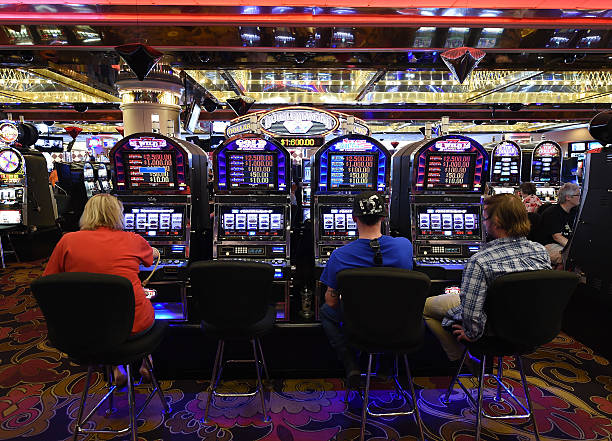
The repercussions of gambling addiction extend beyond individual experiences, reverberating through relationships with family and friends. Individuals struggling with gambling habits may prioritize their gambling activities over social commitments, often leading to strained relationships and social isolation. Loved ones frequently feel helpless as they witness the negative impact of gambling on their family member, creating a cycle of emotional distress. The guilt and shame accompanying these relationship dynamics can exacerbate the psychological challenges faced by the individual, making recovery even more complex.
Addressing gambling addiction typically requires a comprehensive approach that combines psychological support, counseling, and sometimes medication. Recognizing the psychological factors that contribute to gambling habits is essential for effective intervention. Cognitive-behavioral therapy, for example, focuses on correcting distorted thought patterns and helps individuals develop healthier coping mechanisms. By addressing both the psychological and social dimensions of gambling addiction, individuals can reclaim control over their lives and rebuild positive relationships moving forward, ultimately fostering a healthier approach to gambling.
Understanding Gambling Behavior Through Online Resources
Exploring the psychology of gambling habits can be significantly enhanced through the wealth of online resources available. Knowledge serves as a powerful ally for individuals seeking to better understand their gambling behaviors. Websites dedicated to gambling education often provide valuable insights into the psychological aspects of gambling, offering practical tips for responsible play and illustrating how to recognize signs of problematic gambling. Such resources empower individuals to make informed choices and identify when their gambling behaviors may be crossing into harmful territory.
In addition to educational content, online communities play an essential role in supporting individuals grappling with gambling habits. These platforms often encourage open discussions about the challenges of gambling, providing a safe space for individuals to share their experiences and seek guidance. Support networks, whether through forums or social media groups, help individuals feel less isolated as they navigate their relationship with gambling. This sense of belonging fosters encouragement and motivation for individuals to shift towards healthier gambling habits, enabling them to find balance in their activities.
Accessing expert advice through online platforms also aids in understanding and managing gambling habits. Many websites feature articles, interviews, and videos from professionals in the fields of psychology and addiction counseling. These insights can significantly enhance an individual’s perspective on their gambling behavior, helping them to recognize patterns and triggers. By combining educational resources with community support, individuals can take proactive steps toward healthier gambling habits and improved overall well-being, fostering a more balanced relationship with gambling, and ultimately leading to a more fulfilling life.